Pro-choice pregnancy and the politics of language

I was inspired to write my latest column for RH Reality Check because of a number of emails I’ve gotten over the years with various questions about the issue of the language we use to talk about pregnancy and it’s impact on pro-choice politics.

From the column:

As a blogger and a doula, I think about this question of language a lot. What language to use when talking with people I’m supporting during their abortions? What about when supporting someone with a miscarriage? Should I use different language in one scenario over the other? How about when I write about these issues? If we call it a baby at only eight weeks, does that compromise our right to access abortion?

For me the answer is no. The reason that abortion is a decision best left to individuals who are pregnant is because it’s a complicated ethical and personal choice that one can only make for themselves. While there may be a lot of science regarding fetal development, when hearts beat and nervous systems are developed, there is no right answer when it comes to when life begins. It’s a question and a choice that every individual person has to grapple with for themselves. The same is true for the language of pregnancy and birth.

I do my best to mirror the language of the people I’m working with. If they call it a baby, I’ll call it a baby. If they call it a pregnancy, or a fetus, or a itty-bitty bundle of joy, I’ll do the same. Nothing about these language choices denotes anything about what choices should be available to pregnant people—it simply denotes how that individual person sees themselves and their pregnancy.

Read the full piece here.

Radical Doula Profiles: Poonam Dreyfus-Pai

This is a series highlighting folks who identify as Radical Doulas. Are you interested in being part of the series? Go here to provide your responses to the profile questions and I’ll include you!

I’m really excited about this week’s Radical Doula, because I had the pleasure of working with Poonam when she was part of the leadership circle of the NYC-based Doula Project. Poonam is an incredibly warm person, an fabulous doula, and a dedicated social justice leader.

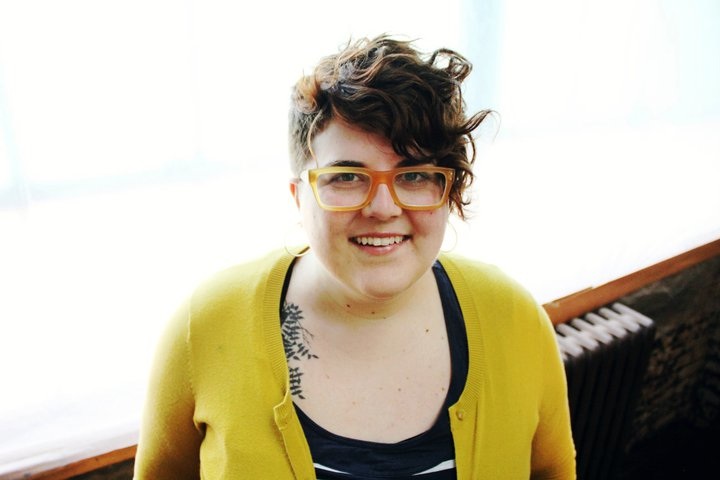
Photo of Poonam smiling

Poonam Dreyfus-Pai is a researcher, advocate, and full-spectrum doula. She is the co-director of the Bay Area Doula Project, and came to the organization after volunteering for 2 years as an abortion doula with its sister NYC-based organization, The Doula Project. She is currently a graduate student in the concurrent MPH/MSW program at UC Berkeley, with concentrations in Maternal and Child Health, and Management and Planning of Social Welfare Services. Since February 2012, she has been an intern in the Sea Change program at ANSIRH (of UCSF’s Bixby Center), where she researches women’s disclosures of pregnancy experiences and abortion stigma. Poonam is grateful to be a part of the Bay Area’s vast network of organizations dedicated to reproductive justice. She works to cultivate a social environment that is supportive of all people’s sexual health choices and experiences, and is honored to continue her work as a full-spectrum doula with the BADP. Check out the BADP here.

What inspired you to become a doula?

I didn’t known anything about doulas until I came across The Doula Project (then The Abortion Doula Project) in late 2008. When I learned about the support that doulas offer in birth, it seemed obvious and natural to extend that compassionate, continuous presence to people having abortions. I was excited about the possibility of being that supportive presence, and of bearing witness to people’s strength and wisdom during their abortion experiences. Joining The Doula Project in 2009 opened me up to the amazing world of full-spectrum doulas, and remains one of the best decisions I have ever made.

Why do you identify with the term radical doula?

“Radical” work, to me, means work that is built around justice and inclusivity. I think of radical doulas as working to expand the system, to help all people have empowered and supported pregnancy experiences, regardless of pregnancy outcome, individual income, immigrant status, incarceration status, language capacity, gender, etc — the list is endless. My work as a full-spectrum doula feels radical and transformative because in each individual act as a doula, I am helping people understand that they deserve to be met with compassion, and to receive the highest quality of care, regardless of where they land on the spectrum of pregnancy. We are not only bearing witness to people’s pregnancy experiences; we are learning from their stories. We are creating changes in how people think of these experiences and how they see themselves as empowered agents within them.

What is your doula philosophy and how does it fit into your broader political beliefs?

What I find so incredible about full-spectrum work is its potential to break down stigma. Stigma and silence exist across all pregnancy experiences, and there are so many niche services that exist out there to provide support: for people choosing adoption, people who have miscarried or experienced fetal loss, people who’ve experience adverse birth experiences, and people who have had abortions. The work that these organizations do on a regular basis is amazing and vital, but I would love to see this care taken one step further. If we can recognize that a person may experience many different pregnancy outcomes throughout one lifetime, then why should these services be separated or different from one another? Why can’t people expect the same quality of care from the same support providers each time they experience a pregnancy? When we treat these experiences as though they are not related or relevant to one another, we (consciously or not) create hierarchies, signifying that some experiences are more important and/or more deserving of support than others. Full-spectrum doulas work to eliminate the silos that exist around these experiences, and bring them together under one umbrella. I see this work as vital to changing our reproductive health culture, and want it to be replicated, not just through the ever-expanding network of full-spectrum organizations (whoo hoo!), but among all health care providers.

Continue reading

Five holiday gift ideas for the doula in your life

I’ve never done a gift guide before, but this year it just seems like there are so many great doula-related books and causes to support. So in case you’re building your own holiday gift list, or looking for a fun gift for the doula in your life, here are a few suggestions! I purposely picked gifts that can be purchased directly from individual artists and business owners, rather than all the many doula-related gifts one could find at corporate retailers. Have other suggestions? Leave them in comments!

1. The Radical Doula Guide: A Political Primer for Full Spectrum Pregnancy and Childbirth Support ($12)

Photo of Radical Doula Guides in boxesYou probably saw this one coming! But seriously, the incredible support I’ve received since publishing this guide in August has been humbling. I’m so honored that so many of you have purchased a copy. This is the first time my work at Radical Doula has generated any income, and it makes a huge difference in my ability to keep it running and invest more time in it.

There are currently 0 copies left of the initial 500 I printed this summer. New shipment in! Plenty of copies available. So order yours (or one for a doula friend/family member) today!

If you don’t know, the guide is a great resource for anyone interested in doula work, doing doula work, or just curious about the politics surrounding the experience of pregnancy and birth in the US. It is US centric, but I think the ideas may apply to folks living in other countries (I’ve sent quite a few copies abroad).


2. Hot Pants: Do It Yourself Gynecology, Herbal Remedies ($5)

Picture of Hot PantsPati Garcia (aka Chula Doula) gets the credit for gifting me a copy of this awesome zine. It was created by two herbalist/activists in Montreal in 1999, and Pati has taken on the task of printing and distributing it. It’s a great beginners guide into using herbs to treat gynecological issues–a great resource for anyone, but especially doulas interested in learning about herbs.

The first sentences of Hot Pants says it all I think: “Patriarchy sucks. It’s robbed us of our autonomy and much of our history. We believe it’s integral for women to be aware and in control of our own bodies.”

Go here to purchase a copy from the Shodhini Institute (bonus: supporting another activist/small business operation).

3. A New View of a Woman’s Body: A Fully Illustrated Guide by the Federation of Feminist Women’s Health Centers ($30)

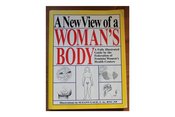
Cover of A New View of a Woman's BodyAnother book that I learned about because of Pati, it covers a incredible amount of medical knowledge, centered around feminist practices of self-exam and self-help. This book gives you the tools you need to take control of your own health care, and provides many illustrations and photos of real women’s bodies. A great resource for your own health needs, as well as when working with doula clients. You can also purchase a copy of this book from the Shodhini Institute.

While you are at it, check out all the other items for sale at the Shodhini Institute online store.

4. Donation to The Doula Project
Screen shot 2012-12-06 at 4.44.53 PM

If you’d prefer a less consumer-based gift, then may I suggest a donation to the Doula Project? There are of course many fabulous non-profit organizations you could donate to in someone’s honor (including many other full-spectrum doula groups!) but let me provide one reason why supporting the Doula Project could make an impact.

In addition to serving thousands of people in NYC over the last few years, providing free doula support during abortions, miscarriages, birth and adoptions, the Doula Project also supports new full spectrum doula programs that are cropping up around the country. They share their curriculum, travel to facilitate trainings and give lots of advice and support. So by donating to The Doula Project, you not only support their vital NYC-based work, but you help ensure that this movement grows nationally. So consider a donation in someone’s name.

5. Doula Sterling Silver Necklace ($52)

And because I could not resist going to Etsy and searching for “doula,” here is a beautiful necklace for the jewelry loving doula in your life. If you are interested in stones & crystal healing, here is what the artist says about the stones included on the necklace: “Turquoise: Spiritual attunement, cleansing, healing, protection, valor, soothing, peace of mind, guidance through the unknown. Amethyst: Contentment, spirituality, dreams, healing, peace, happiness, love, intuition. Amber: Soothing, calming, cleansing.”

Bringing our own expertise back into health care

In my latest column for RH Reality Check I reflect on the statement released by ACOG last week supporting making birth control pills available over the counter without a prescription.

What interests me about this, beyond the issue of improving access to contraception, is how it might mark a continuing shift in the role of medical providers in health care.

As doulas, we probably already understand that there is a movement of people working to take back more control and responsibility for their own health, particularly in the reproductive health arena.

In the article I mention Pati Garcia and the Shodhini Institute, a group that is working to bring back the practice of self-help and particularly cervical self-exams as a way to allow people to be more aware and active in managing their own health.

Doulas, in many ways, are part of this movement to empower and encourage pregnant people to be more educated and more involved in their own health.

I know personally this has been a struggle for me, and I’ve mostly been motivated to be more in charge of my own health by my frustration with providers who have not been able to address my own ongoing health concerns. They’ve suggested drug treatments that haven’t worked, tests I couldn’t afford, or dismissed my concerns outright. These negative experiences mean I’ve never built a long-lasting, trusting relationship with a medical provider. The closest I’ve come was an amazing acupunturist/herbalist I saw for over a year in Brooklyn. But with Western medical providers all of my experiences have been negative.

I think this shift could be a really great development in how we all manage our health, but its going to require a serious re-education effort for many of us who have lost touch with our bodies, have come to mistrust our role as experts over our own bodies.

It’s sad, really, when you think about how much we’ve relinquished to the “experts” and how much we’ve minimized our own experiences of our bodies and our health. We rely instead on tests and book knowledge and medical studies, rather than our own daily experience of our lives and our health.

In my ideal world both things would be useful, but in equal degrees.

Armed with the knowledge of our own bodies, rhythms, cycles and changes we can much more effectively partner with medical providers when necessary. We could go to them with knowledge that will help them know how to treat our illnesses, rather than expecting them, from seeing us once or twice a year, to have all the answers. Then we won’t need these prescription-filling visits to remind us to take care of our health—we’ll be taking that responsibility on ourselves.

I’m proud that doulas are playing a role in empowering folks to make this shift–to trust their own intuition, their role as experts on what is happening in their bodies. In the coming weeks I’ll have more information from Shodhini Institute and Pati Garcia about this work.

Read the rest of the column here.

Transgender Day of Remembrance

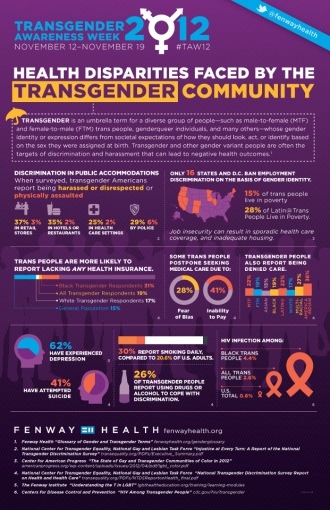
Today is Transgender Day of Remembrance, where those transgender people who have passed on, whether due to violence, discrimination or suicide are remembered and honored.

Last week was also Transgender Awareness Week, organized by Fenway Health in Massachusetts.

I’ve been working for weeks now on a long article about the transgender community, so I’ve been knee deep in interviews and research about transgender people in the United States.

It’s depressing, to say the least. Experiences of discrimination are frighteningly widespread. Health disparities abound. Violence is a common fact of life.

But there is also much resilience, much hope, much strength in the transgender community. There is much knowledge that the arc of history bends towards justice, and that the transgender struggle lives in all of us who understand how ideas of gender limit all of us.

I wrote about discrimination and transgender health disparities last week at RH Reality Check, which you can read here. The discrimination that transgender people face impacts their health in serious ways, and when race is factored in, the disparities are even greater.

But on this day of solemnity and remembrance, let us also remember perseverance and strength. For every person who has passed on, there are many more who are thriving and surviving.

20121120-121231.jpg

Minneapolis Radical Doula Guide Release Party!

gif maker
Supporters at the Chicago Radical Doula Guide Release Party!

I’m psyched to announce that Tuesday, November 27, we’ll be hosting a Twin Cities Radical Doula Guide Release Party in conjunction with the Family Tree Clinic, NARAL Pro-Choice Minnesota, and the Smitten Kitten. The party will benefit The Ilythia Project, a group that provides doula services for pregnant women living with HIV.

It’s going to be a low-key get together, with opportunities to purchase the guide, get to know local doulas and reproductive justice activists, and raise funds for The Ilythia Project! We’ll have a short discussion about the guide, Q&A and a raffle. Light snacks and beverages provided. There will also be a photobooth!

I’m really excited for this event, which once again will be hosted at another fabulous feminist sex shop, Smitten Kitten (review I wrote in 2008!).

Details:

Tuesday November 27
7-9pm
Smitten Kitten
3010 Lyndale Avenue South Minneapolis, MN 55408

Facebook event here.

Hope to see you there!

Mega thanks to Erin Wilkins from the Family Tree Clinic for organizing this event.

How do we know if the drop in teen pregnancy is good news?

In my latest column for RH Reality Check I talk about the recent news from the CDC that the teen pregnancy rate in the US continues its decline to historic lows across all racial and ethnic groups.

Changes in teen pregnancy rates are always greeted with much media attention, and the narrative tends to be consistent: teen pregnancy and parenting is bad and should be prevented.

I’ve written before about why this is the seductive narrative underneath teen pregnancy prevention: stop kids from having kids, and improve high school drop out rates, poverty, etc. But of course when you dig more you learn that it’s not so clear that teen pregnancy is the cause of these outcomes. It may just be correlated because many teen parents were already at a higher risk for poverty, dropping out of high school, etc.

All of this to say that a drop in teen pregnancy does not necessary mean a drop in the negative outcomes generally associated with teen pregnancy. Some of those teens who would have been parents who are no longer becoming parents (likely because of better access to birth control) might still end up living in poverty, lack access to decent education, face health challenges.

We can’t celebrate a drop in the teen pregnancy rate unless it’s accompanied by statistics showing that young people are doing better overall–particularly those more likely to become teen parents. Perhaps we could celebrate if it came alongside news that low-income parents, parents of color, immigrant parents were all experiencing improved socioeconomic conditions, better education for their kids, easier routes toward income security.

Unfortunately the larger economic forecast doesn’t demonstrate any of these things. Instead, we see the gap between rich and poor widening. We see greater difficulty with job security, increased homelessness, mounting health challenges.

People love to celebrate or fear monger about how many teens are parenting but it’s just a distraction from the real questions for our society to grapple with: how to make sure all young people have access to the tools and services they need to guarantee a successful future.

And on that question I’m not celebrating yet.

Read the whole column here.

Call for research participants: Teen moms in Chicago area

Research being conducted by a fabulous radical doula in Chicago, focusing on the experiences of teen moms with pregnancy and childbirth. Details:

My name is Kristen Ethier; I am a graduate student in the Department of Sociology at DePaul University, and I am currently working on my final MA research project. My research is on teen mothers’ experiences of pregnancy, childbirth, and postpartum. I am looking for participants to conduct face to face interview who are teen mothers ages 16-21 who both gave birth within the past two years and are currently living in the Chicagoland area to talk about their pregnancy, childbirth, and postpartum experiences.

I am also interested in their ideas and opinions on how these experiences can be improved for teen mothers. The interview will take about an hour in the participant’s home or a public place of their choice (i.e. school, a coffee shop, or a library). Participation in this study will be confidential, meaning their identity will be protected during and after the interview. If you are a young/teen mother or know any teen mothers who might fit the requirements, please forward this information on to anyone you think might be interested. If you are interested in participating, please contact me at 312-259-0434 or kristenlethier@gmail.com. Thank you for your consideration!

Race-based health disparities and the politics of difference

My latest column at RH Reality Check discusses the fact that last week was the tenth anniversary of National Latino AIDS Awareness Day, and delves a bit into the causes of race-based health disparities.

I was inspired to write about this topic after hearing scholar and Professor Dorothy Roberts speak at Barnard College. She’s the author of two incredible books about race and health, Killing the Black Body–an absolute must read for anyone interested in reproductive rights, and Fatal Invention, her most recent book (which I reviewed here last year).

Fatal Invention takes on the question of race and genetics, and addresses the growing movement which tries to connect race-based health disparities to genetic difference, despite very little evidence to support these claims.

From my column:

Latinos do not experience higher rates of HIV and AIDS because of any unique genetic propensity or susceptibility toward the disease, but instead because of the social and economic reality faced by Latinos that lead to higher rates of HIV infections and AIDS-related illnesses. Things like lack of access to health care, homophobia, lower rates of condom use, and language barriers among other causes.

To some it may seem absurd to think that anyone would argue that race-based health disparities are a result of genetic or biological differences among racial groups, but the fact is this argument is on the rise, and it isn’t new. Studies with these kinds of claims grace the front page of the New York Times science section on a regular basis. Rather than acknowledge disparities, some want to highlight the concept of difference—meaning that racial groups have biological differences that account for these statistics, rather than blaming the conditions of racism that shape our lives and our health.

This distinction feels as important to highlight as the problem of race-based health disparities themselves, particularly in an era where the FDA can approve a race-specific drug (BiDil, a drug for congestive heart failure) with little scientific evidence backing the claim that it successfully targets African Americans over other groups.

Our work to address health disparities needs to be based outside of the laboratory or pharmaceutical industry, and instead placed in the broader social context that is likely to blame for these disparities in the first place.

Precisely because I talk so much about these race-based health disparities, I think I, and all of us, need to do a better job of explaining the likely cause. Because if not, in our silence, the assumption can be made that the statistics are simply a matter of differences. This obscures the real and horrific injustice of poverty, racism and all of the other social factors at play.

Radical Doula Profiles: Kate Palmer

This is a series highlighting folks who identify as Radical Doulas. Are you interested in being part of the series? Email me at radicaldoulaATgmailDOTcom.

Kate Palmer in yellow sweaterKate Palmer is a queer, working-class feminist activist and full-spectrum doula living in Chicago. She has spent almost ten years working in abortion care and is currently working with the Chicago Doula Circle, an abortion doula group she co-founded. In addition to that, she works as a private birth and postpartum doula with Kaleidoscope Doula Care. She also co-founded 45 Million Voices, which is organization dedicated to reducing stigma around abortion and serves on the boards of the Chicago Abortion Fund and the Chicago Women’s Health Center.

Why do you identify with the term radical doula?

I see being a doula as a political act and I believe that abortion, pregnancy, and childbirth can be a radical act of love and resistance. I’ve held the hands of thousands of people during their abortions and the compassion and love that I’ve witnessed while supporting someone during their abortion has shaped the kind of birth doula that I am today. Being queer and actively choosing to work with queer and trans folks makes me a little different than the traditional doula (and I love that!).

What is your doula philosophy and how does it fit into your broader political beliefs?

My doula philosophy is one of meeting people where they are at and recognizing that everyone views pregnancy and birth very differently. My role as a doula is to empower and educate pregnant people and as long as my clients are aware of their options, I support whatever options they may choose.

As a working class queer feminist activist, I am also working as a doula to help expand doula love to people that don’t traditionally have access to pregnancy support. I also see the work that I’m doing as part of a larger political context. One of my roles as a radical doula to help bridge the “traditional birth doula” world with the reproductive justice movement. There shouldn’t be such a disconnect between the two worlds. For example, we all should be fighting for greater access for Certified Professional Midwives as well fighting the increasing amount of abortion restrictions. When we only focus our energy on only one side of these issues, instead of seeing it as part of a broader issue of the government and corporations trying to control our bodies and our choices that we make in our lives, it only compromises the end goal and does a disservice to those that we are working and advocating on behalf of.

Continue reading